


How to Win at Parimatch Aviator: Expert Strategies and Professional Tips for India

Aviator is a crash game where a plane rises with a growing multiplier and drops without warning. Profit depends on timing, not prediction, and every round carries risk. High multipliers look attractive, though losses appear just as fast. This guide explains common strategies and practical tips used by Indian players to manage bets and control their balance. Demo mode works as a training ground, where tactics, cash-out points, and discipline can be tested without using real INR.

Learn official Parimatch Aviator strategies to manage your gaming balance.

Mastering Aviator Mechanics Before You Bet

Aviator runs on a Provably Fair algorithm that generates each round independently through cryptographic values. No outcome links to previous flights, which removes predictable patterns. The multiplier starts at 1.00x and climbs upward until the plane exits the round at a random point. Cash-out timing defines the result, since delay leads to instant loss. RTP sits at 97%, which reflects long-term return across many rounds rather than short sessions. Understanding RTP helps set realistic expectations and shapes stake size choices. Knowledge of multiplier behavior and fairness mechanics supports disciplined strategies instead of emotional decisions.

Understand official Parimatch Aviator mechanics and the Provably Fair system.

Top Betting Systems to Boost Your Aviator Experience

A clear system helps reduce impulsive bets and keeps focus during fast Aviator rounds. Many players in India rely on structured math-based approaches as part of a long-term Parimatch Aviator strategy, rather than chasing random multipliers or short-term luck.

Kelly Criterion for Bankroll Optimization

The Kelly Criterion calculates stake size as a percentage of the total balance instead of using fixed bets. In Aviator, players often apply a reduced version to limit exposure, since outcomes remain random. The method aims to protect the bankroll during losing streaks while keeping growth potential during favorable periods. Accurate balance tracking and discipline matter more than multiplier selection. This approach works best for players who focus on balance control and gradual progress instead of aggressive risk.

Following the Fibonacci Sequence

The Fibonacci system increases stakes gradually after losses, following a known numerical sequence. In Aviator, this model usually pairs with low multipliers such as 1.2x–1.4x. One successful round often offsets previous losses and adds a small gain. Risk rises more slowly than in doubling systems, though limits still matter. Many consider this one of the safer Parimatch Aviator tricks when combined with strict stop rules.

The Martingale Approach

Martingale focuses on doubling the stake after each loss until a win occurs. In Aviator, this system targets very low multipliers to increase hit frequency. One win recovers losses and adds profit equal to the base stake. The main concern involves fast balance drawdown during extended loss streaks. Strong limits and short sessions help manage this approach.

The Oscar’s Grind Methodology

Oscar’s Grind uses fixed losses and progressive wins. Stake size increases only after a winning round and stays unchanged after losses. Each cycle ends once a small profit target is reached. In Aviator, this method fits moderate multipliers and focuses on balance stability rather than speed. Patience and clear cycle goals define its effectiveness.

Essential Tips for Smarter Aviator Gameplay for Indian Players

Strong self-control shapes long-term results in Aviator. Clear limits, calm decisions, and regular review help Indian players avoid impulsive bets during rapid multiplier changes.

Professional Bankroll Management

Professional bankroll control starts with clear session limits and defined loss thresholds. Funds used for Aviator should never affect daily expenses or financial obligations. Many players split the balance into small units and risk only a fixed percentage per round. Session caps help stop chasing losses after several failed rounds. Regular breaks also reduce pressure during high-tempo play. Protecting the balance during volatile streaks helps maintain consistency and reduces the impact of emotional reactions.

Reading the Game Flow

Game flow analysis focuses on observation, not prediction. Reviewing the history helps understand how often low and mid multipliers appear, though no pattern repeats by design. Psychology plays a key role, as many players hesitate to cash out early after seeing previous high results. Discipline means sticking to planned cash-out points regardless of recent outcomes. Awareness of emotional triggers, such as fear of missing high multipliers, supports steadier play across longer sessions.

Effective Use of Dual Bets

Dual bets allow two independent stakes during the same round. One bet may target an early cash out for coverage, while the second aims higher for added upside. This structure spreads risk across different multiplier levels. Clear planning matters, as both bets require separate exit decisions. Many players assign different stake sizes to each bet to balance protection and potential gain. Dual bets work best with predefined cash-out targets rather than spontaneous clicks.

Monitoring Your Performance Cycles

Performance cycles appear through round history and session tracking. Some sessions show repeated early crashes, while others produce mid-range multipliers more often. Tracking results helps identify when focus drops or risk tolerance rises. Cold streaks signal the need for smaller stakes or a pause, while hot periods still require limits. Regular review of session data supports objective adjustments and reduces reliance on short-term emotions during play.

Fatal Mistakes to Avoid During the Aviator Flight on Parimatch

Aviator rewards discipline, while repeated mistakes often lead to rapid losses. Many problems come from emotional decisions rather than the game itself.

  • Chasing losses leads to rushed bets and higher stakes after failed rounds;
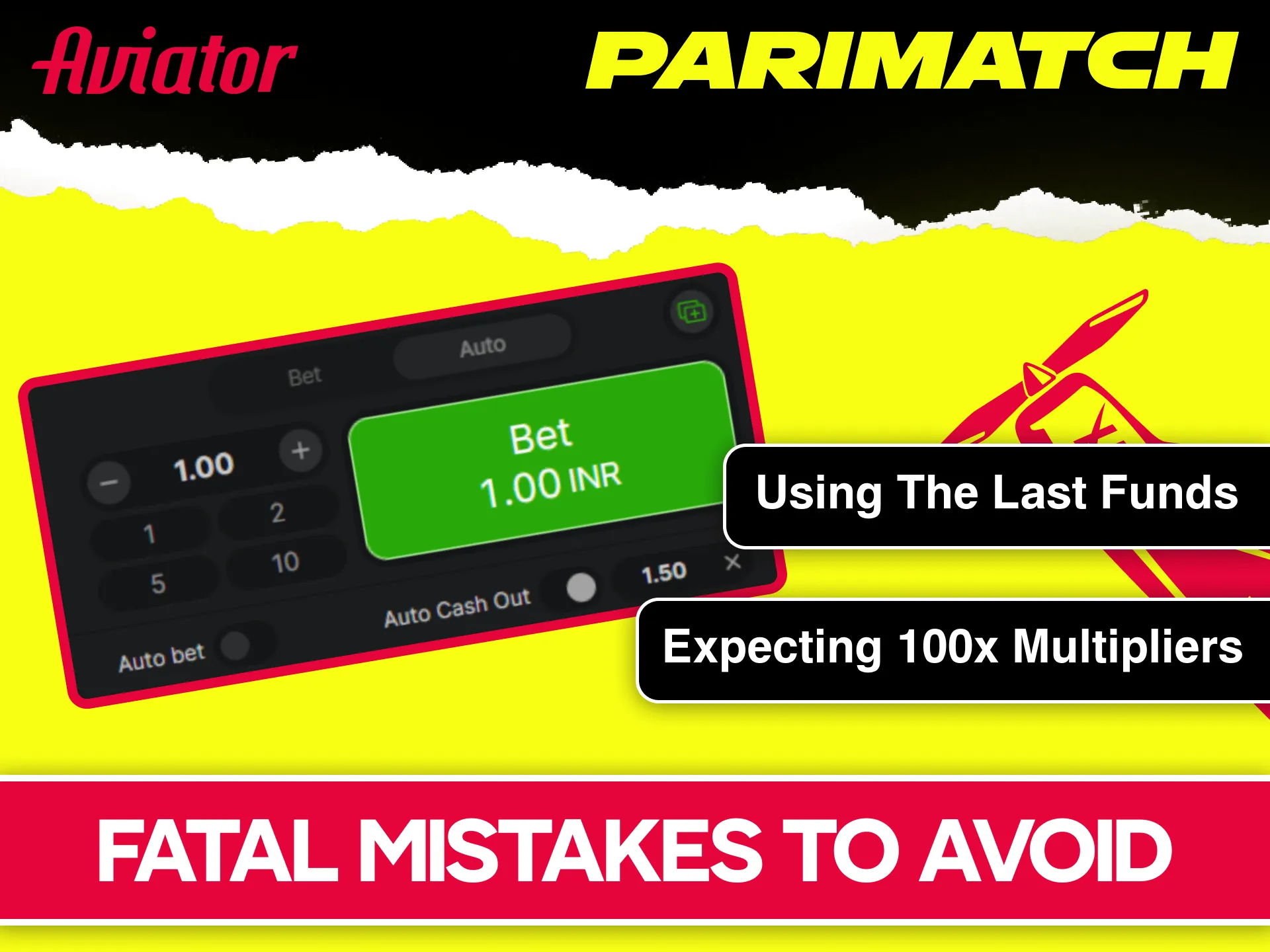
  • Using the last funds increases pressure and removes rational control;
  • Expecting 100x multipliers every round creates unrealistic goals and risky timing;
  • Ignoring auto cash-out settings causes missed exits during sudden crashes;
  • Raising stakes without limits exposes the balance to sharp drawdowns;
  • Skipping breaks after losses affects focus and leads to repeated errors.
Avoid common mistakes by following official Parimatch Aviator gaming tips.

Test Your Tactics in Risk-Free Aviator Demo Mode on Parimatch

Aviator demo mode works as a training space for checking betting systems without spending real money. Martingale or Fibonacci sequences can be tested with virtual credits to observe stake progression and cash-out timing. Demo rounds follow the same Provably Fair mechanics as real play, so behavior matches live conditions. After testing, a move to INR bets usually starts with smaller amounts. Many players treat demo results as practice data rather than profit proof. A calm shift from testing to real rounds helps control pace and balance during play.

Practice your official Parimatch Aviator tactics using the demo mode.

FAQ

Can any specific strategy guarantee a win in Aviator?

No strategy guarantees wins. Aviator rounds generate independently through a Provably Fair system, so outcomes cannot be controlled or predicted with certainty.

Which betting system is the most suitable for beginners in India?

Beginners often start with fixed stakes or a light Fibonacci approach at low multipliers. These options keep risk controlled and help learn timing.

Is the Martingale strategy actually effective for crash games?

Martingale can recover losses after a win, but extended loss streaks can drain the balance quickly. Strict limits are essential.

How does the Aviator RTP affect my chosen betting strategy?

RTP of 97% reflects long-term averages. Strategies should focus on stake control and session limits rather than short-term expectations.

What should I do if my chosen strategy is not yielding results?

Pause the session, reduce stake size, review recent rounds, or switch to demo mode to test adjustments before returning to INR play.

Updated: